


A Comparison of Singles and Doubles Padel: Court Dimensions, Rules, and How to Play
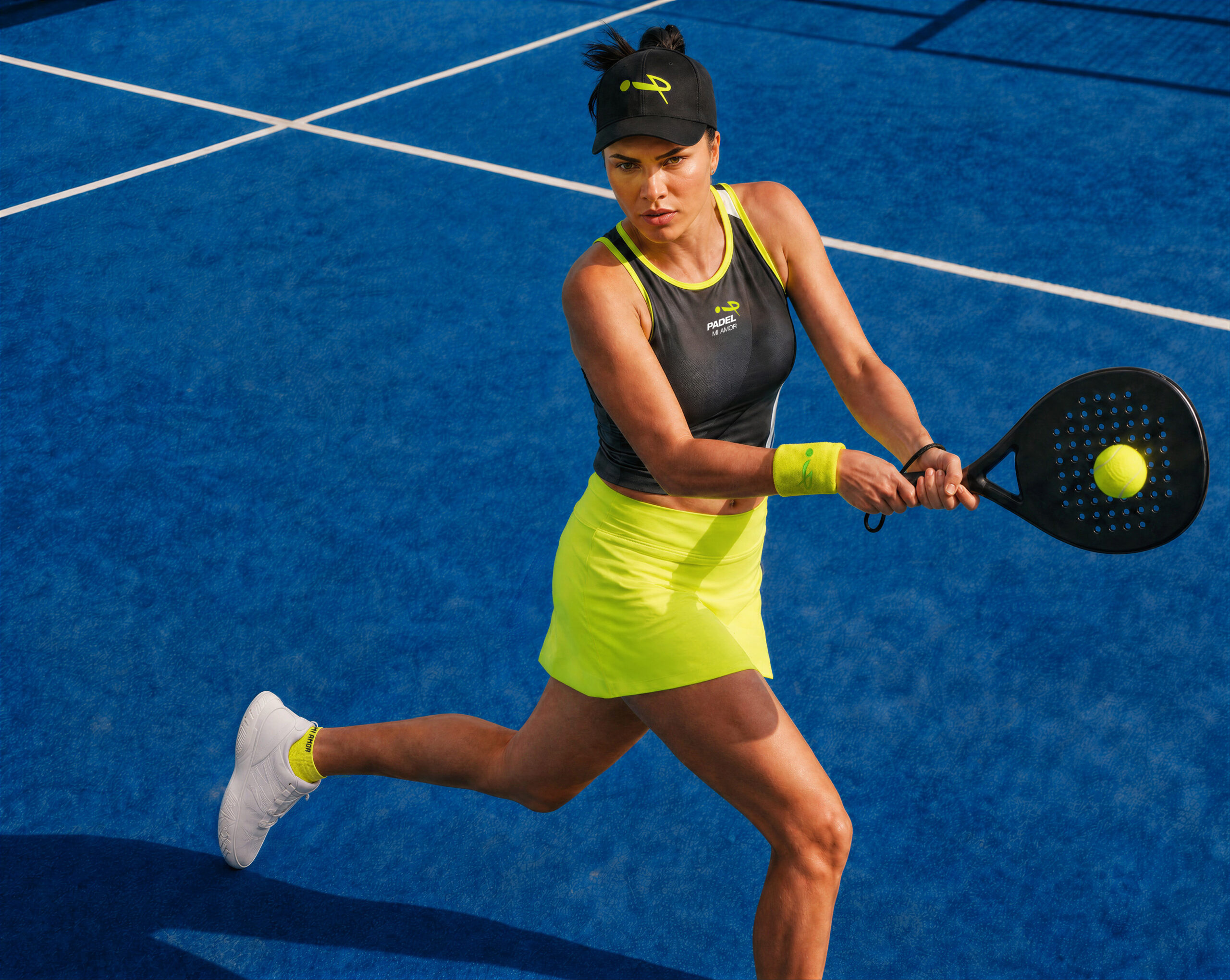 Padel is one of the fastest-growing sports in recent years, and since its inception, it has been played primarily in doubles. In fact, doubles padel is the traditional format and the one used in official competitions. Lately, however, singles padel has been gaining popularity; while it follows the same basic rules, it offers a completely different approach from a technical, tactical, and athletic standpoint.
The difference between singles and doubles padel isn’t just about the number of players on the court. In fact, the areas of the court that need to be covered, the dynamics of the rallies, energy management, and the tactical approach to the match all change. In doubles, collaboration with your partner is key, while in singles, every decision and every movement depends solely on the individual player.
Understanding the characteristics of both game formats is useful not only for identifying the one best suited to your skill level and goals, but also for improving your performance on the field and approaching every match with the right preparation—both from a technical standpoint and in terms of choosing the right equipment and clothing.
In this article, you’ll learn:
- the main differences between singles and doubles in padel;
- how to play singles padel;
- the differences between a singles padel court and a doubles padel court;
- What is “padel cruzado” and how is it played?;
- How to choose the right athletic apparel to perform at your best in every game.
Singles and doubles padel: two ways to enjoy the same sport
Before analyzing the main differences between singles and doubles padel, it is helpful to clarify a fundamental starting point: padel began as a doubles sport. The official version—the one recognized by the federations and played on professional circuits such as the Premier Padel—features four players on the court, two on each side. Doubles padel is therefore the “standard” format, widely played in all clubs, and accounts for the vast majority of matches played every day in Italy and around the world.
Singles padel, on the other hand, is a one-on-one variation that has never been recognized at the federal level and therefore remains confined to the amateur and training spheres. It originated primarily out of practical necessity but nonetheless has a long history: the first instances of individual play date back to the 1990s in Argentina, the birthplace of the sport, where small amateur tournaments were organized and even played on traditional courts.
Despite the lack of official rules, singles padel has become remarkably popular in recent years, driven by the construction of courts designed to specific dimensions. The reason for its success is obvious: finding four players of the same skill level who are all available at the same time isn’t always easy, whereas for a singles match, you only need to find one opponent. There is also a technical aspect to consider: playing alone forces you to cover a much larger portion of the court and is therefore excellent training for improving endurance, technique, and game strategy.
The Main Differences Between Singles and Doubles in Padel
Although singles padel and doubles padel share the same basic rules, the two formats of the game have some significant differences, which include:
- Number of players and game format: In singles padel, players compete one-on-one, while doubles involves two players per team;
- Court dimensions: doubles padel is played on a regulation 20×10-meter court, while singles is generally played on a narrower court, designed to allow a single player to cover their own half of the court;
- Physical effort: In singles, every movement and every recovery depend solely on the individual athlete. This results in a high intensity of play and requires greater endurance, speed, and consistency in rallies;
- Tactical approach: In doubles, the strategy is based primarily on teamwork and building the point together with your partner. In singles, on the other hand, every decision is made individually, and each player must manage the pace of the match on their own.
In general, no one game mode is better than another: the choice depends mainly on personal preferences, level of experience, and the goals you set for yourself.
How to Play Singles Padel: Rules and Court Dimensions
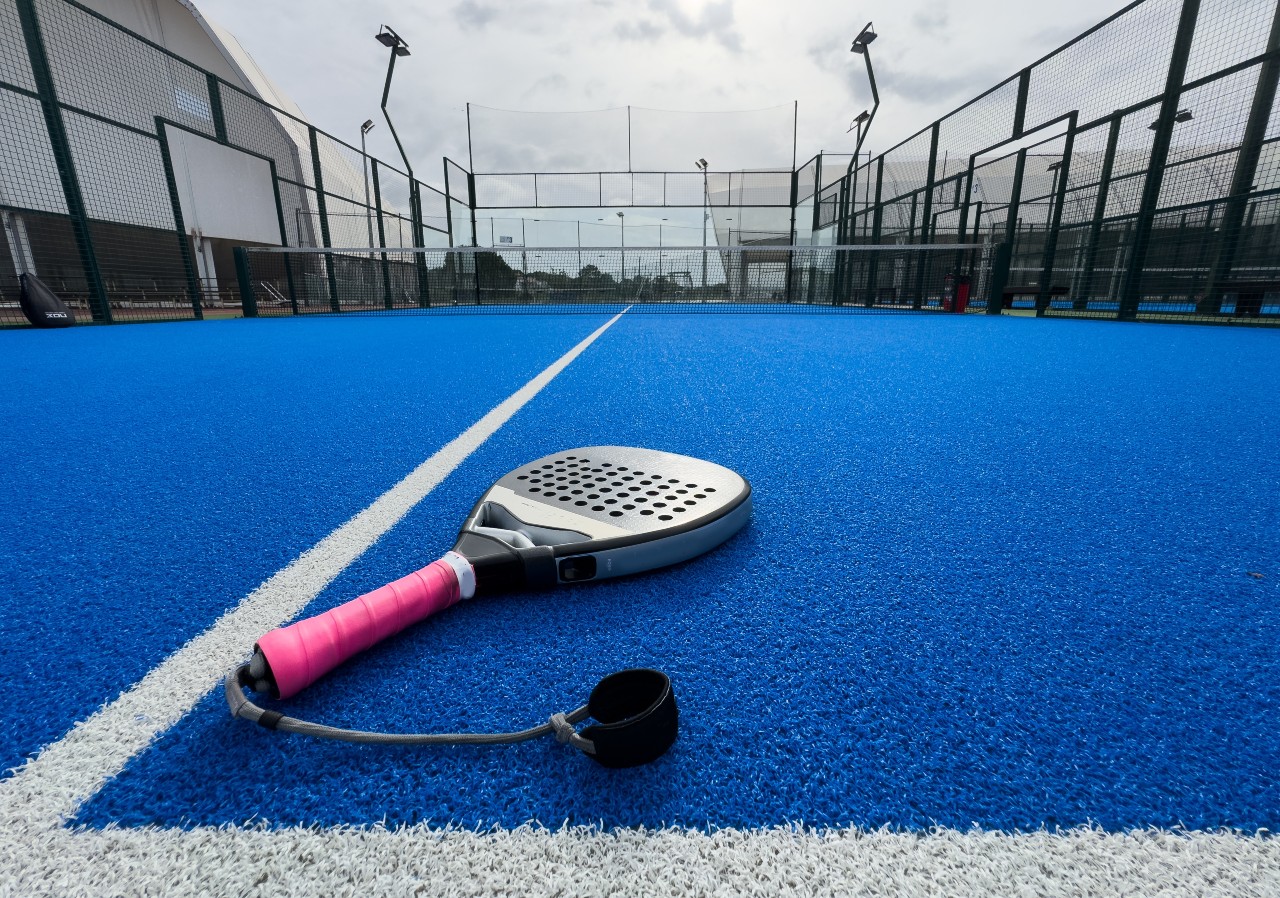 Singles padel is played one-on-one and, since it is not officially regulated, it essentially follows the same basic rules as classic padel, with a few adjustments that have become standard in amateur play. The fundamental aspects of the game remain unchanged: the serve is executed from below, the scoring system is the traditional one borrowed from tennis, and the ball can be played by utilizing rebounds off the walls. The main difference from doubles, however, concerns the playing area.
To allow a single player to cover the court, the width of the court is reduced. A singles padel court measures 20 meters by 6: the length remains the same as that of a traditional court, while the width is reduced from 10 meters in doubles to just 6. All other elements—such as the height of the net and the walls, and the position of the service line—remain unchanged.
It should be noted that facilities designed specifically for singles are still relatively few. For this reason, alongside the “classic” singles game on a smaller court, a second one-on-one variant has become popular: padel cruzado, or “cross” padel.
What Is “Padel Cruzado” and How Is It Played?
Cruzado padel is a variation of singles padel played on a traditional doubles court, but with a rule that completely changes the dynamics of the game: all rallies must take place exclusively diagonally. The term “cruzado,” which means “crossed” in Spanish, describes the mandatory trajectory of the ball, which must always travel from one half of the court to the other and cannot be hit parallel to the court. This format is not an official discipline recognized by the International Padel Federation, but it is extremely widespread in clubs and is used by both enthusiasts and professionals as a technical training exercise.
In cruzado padel, the two players occupy opposite sides of the court and begin the point with a regular serve, executed as in traditional padel—that is, from below and diagonally toward the opponent’s service box. From that point on, however, every shot must continue to follow the same diagonal path. If the ball is directed to the parallel half of the court, the point ends immediately. All other padel rules remain unchanged: players may use the glass walls and the grids after the first bounce, the net has the same specifications, and the scoring system is identical to that of a regular match.
Cross-court padel was developed primarily as a way to play even when there are only two people, without having to use a dedicated singles court. Its success is due mainly to the technical benefits it offers. By forcing players to develop each rally along the diagonal, this format can help improve shot accuracy and depth control. It also helps improve endurance and reaction speed because each player must cover a very large portion of the court.
Precisely because of these characteristics, the “padel cruzado” is one of the most commonly used exercises during training sessions. Many coaches recommend it to help players refine their ball control before moving on to doubles play. Even top-level players often incorporate it into their training sessions to improve their accuracy and tactical awareness.
Give your best in every match with Padel Mi Amor’s performance apparel!
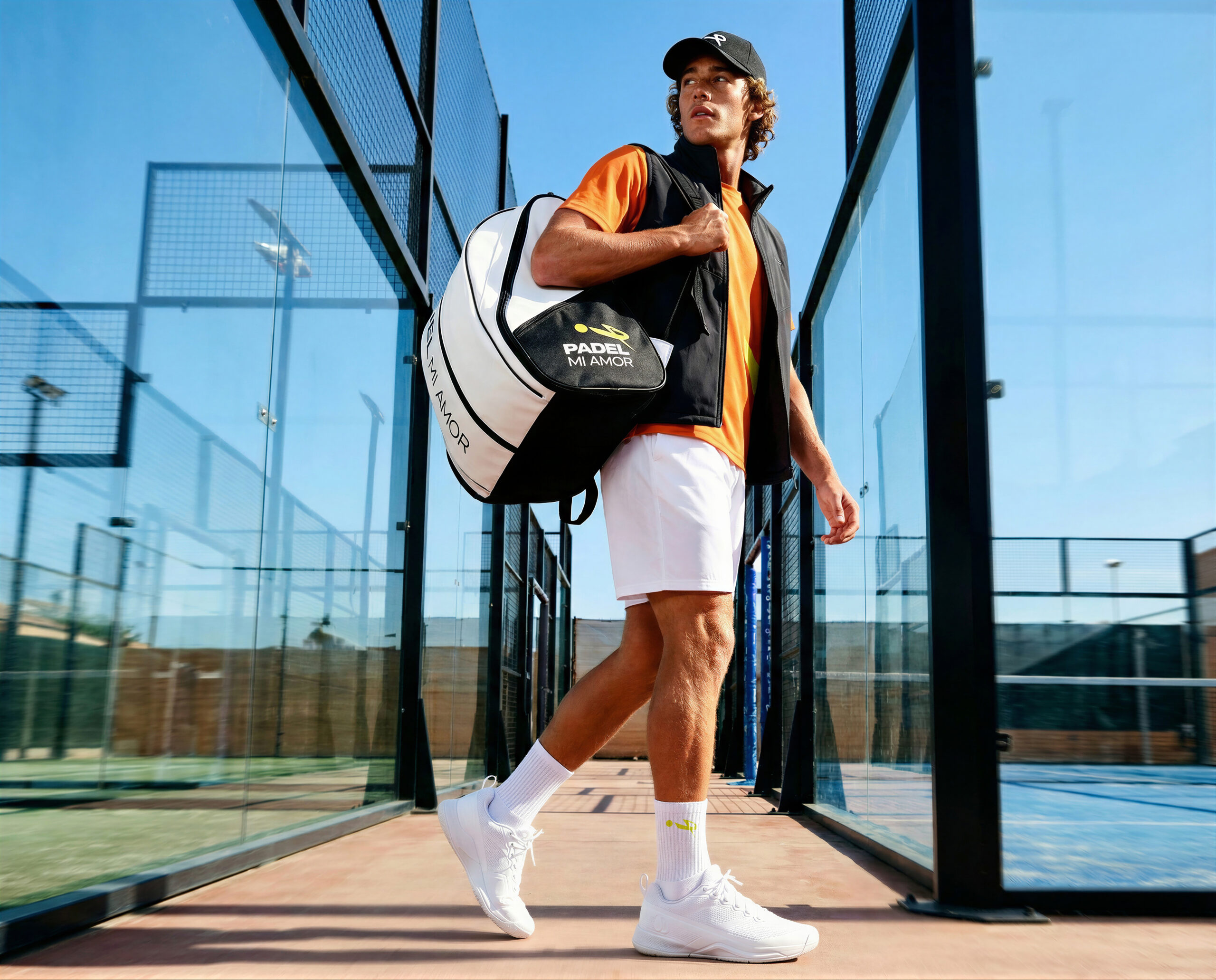 Whether you prefer singles, mixed doubles, or classic doubles, performance apparel plays a key role in ensuring comfort, freedom of movement, and strong performance on the court. To tackle every match at your best, it’s important to choose technical apparel designed specifically for this sport, capable of ensuring freedom of movement, comfort, and optimal moisture management. Lightweight, breathable, and stretchy fabrics help keep your skin dry even during the most intense workouts, while an ergonomic fit naturally follows every movement of your body, reducing chafing and skin irritation.
The Padel Mi Amor collection of men’s and women’s padel apparel was created specifically to meet these needs, with garments that combine technical performance, comfort, and a modern, on-trend style. The padel shirts are made from high-performance, lightweight, quick-drying technical fabrics, designed to promote breathability and provide a pleasant, cool feeling even during the most intense workouts. The seams and fit are designed to reduce chafing and ensure maximum freedom of movement, allowing you to execute every technical move naturally.
Shorts and skirts are designed to offer the right balance between lightness, elasticity, and durability. The soft, lightweight materials conform perfectly to the body’s contours without restricting side-to-side movement, while the elastic waistband ensures a secure and comfortable fit throughout the entire game. The shorts also feature convenient pockets, ideal for storing balls or other useful accessories during the game.
The collection also includes sports sweatshirts, pants, and lifestyle pieces— perfect for wearing during warm-ups, breaks between matches, or in your free time. Made with soft, comfortable fabrics, they help you maintain the right body temperature without sacrificing a sporty, contemporary style. To add a touch of personality to your padel outfits, you’ll also find a wide selection of accessories, such as bags, backpacks, hats, socks, and other items designed to enhance comfort and performance—and help you stand out on the court.
All the pieces in the Padel Mi Amor collection are designed to support male and female players during training sessions and matches, offering the perfect balance between functionality, high-quality materials, and design. Because in padel, feeling free to move and comfortable in every situation is the first step toward playing your best!
Want to find the clothing that best suits your needs? Contact us! Our team will help you choose the clothes and accessories that best match your playing style.
