


All the tips you need to know to figure out when it’s time to replace your racket and keep it in top condition
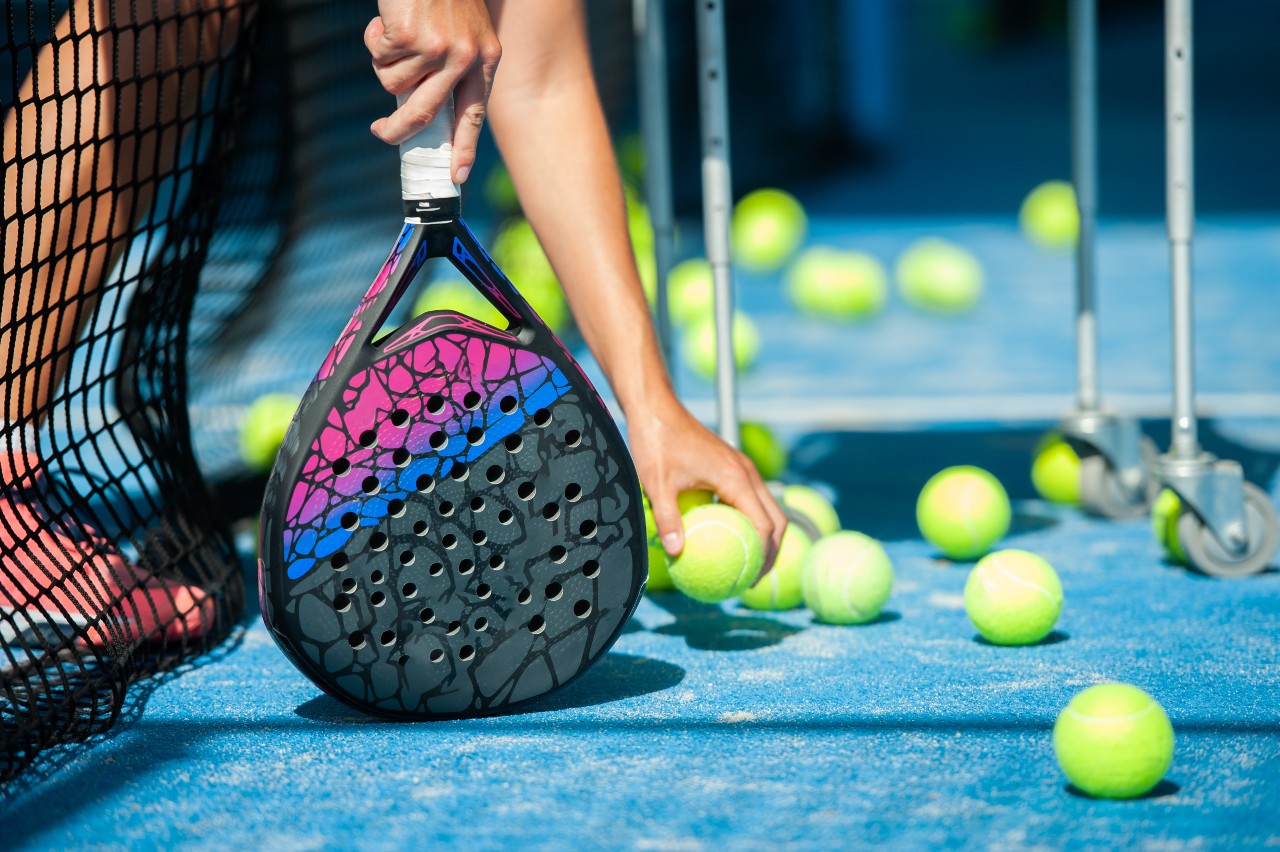 Padel rackets are essential accessories for players of all skill levels; they’re crucial for performing at your best on the court and ensuring strong gameplay. But like any sports equipment, rackets don’t last forever and are subject to wear and tear. A racket’s lifespan depends on several factors, such as how often it’s used, playing style, and the type of shots—or impacts—it endures. Not only that: weather conditions—such as heat, cold, and humidity—can also affect a racket’s performance over time. In the summer, for example, high temperatures and prolonged exposure to the sun can reduce the performance and durability of the materials, significantly compromising the racket’s performance.
But how do you know when it’s time to say goodbye to your old racket and buy a new one? Let’s find out together!
Signs of Wear on Padel Rackets and How to Spot Them
Recognizing the signs of wear on your padel racket is essential to ensuring optimal performance on the court and preventing potential injuries. The first thing to check isthe racket’s appearance. Cracks, abrasions, or delamination on the surface are clear signs of wear. This damage can result from poorly executed shots, impacts against walls or the ground, or simply from prolonged use. Although it may seem superficial, it often compromises the racket’s structural integrity, negatively affecting control, power, and overall performance on the court.
Beyond its outward appearance, wear and tear can also affect performance. If you start to notice that the ball doesn’t bounce like it used to, or if you feel that the racket isn’t responding effectively to your strokes, it could be a sign that it has lost its original shape and responsiveness.
The feel of the racket can be just as revealing: a racket that transmits unusual vibrations to your arm or wrist, or that no longer feels as balanced as it did at the start, has likely reached the end of its useful life. These are all important indicators that should not be overlooked. Ignoring these signs, in fact, could not only affect performance on the court but also compromise comfort and safety during play, increasing the risk of injury.
How long does a padel racket last?
As we’ve seen, the lifespan of a padel racket depends on various factors, including how often you play, your playing style, maintenance, and the types of materials used in its construction. For casual players who take to the court only once in a while, a good racket could last several years. However, for regular intermediate or advanced players who play more frequently (about three times a week), the lifespan may be reduced to about six months.
It has been estimated that, on average, a padel racket withstands about 300 hits per match, and the repeated impacts during play—especially when hitting with a lot of force and power—can accelerate the racket’s wear and tear. In addition, the type of material significantly affects the racket’s lifespan. Generally, modern padel rackets made from materials such as carbon tend to last longer than those made from fiberglass or other less durable materials.
The same applies to the rubber composition: padel rackets made with EVA rubber—the most commonly used material—usually last longer than those made with FOAM.
That’s why it’s important to consider not only how often you play, but also your playing style and the quality of the materials when determining the lifespan of a padel racket.
Some useful tips for proper maintenance
 To ensure good performance on the court and extend the life of your padel racket, you’ll need to store it carefully and follow a few simple guidelines for proper use. First of all, after every match, wipe down the surface of the racket with a slightly damp cloth to remove any sweat or dirt. Avoid using harsh chemicals that could damage the materials. Additionally, if the racket is dirty from hitting the sand or from dust, you can use a cloth and a special cleaner, gently wiping the surface. After cleaning the racket, rinse it with clean water and dry it with another clean cloth.
In addition to this, be sure to:
- Be sure to dry your racket thoroughly after use if it gets wet or if you play in particularly humid environments;
- Avoid exposing it to cold, heat, or direct sunlight for extended periods of time to prevent damage to the materials, and do not leave it in positions that could cause excessive strain or bending of the racket’s frame;
- Use the protector, a special plastic sticker designed to be applied to the top of the racket face, which helps dampen vibrations and protect the racket from accidental impacts or blows that could damage it. To use the protector correctly, make sure to position it on the racket so that it completely covers the entire surface, leaving no uncovered areas that could be damaged or get dirty from dust or other debris;
- Replace your overgrip regularly to ensure you always have a perfect grip and a firm, secure hold on your racket. Over time, the overgrip can lose its grip and become less effective at preventing sweat and vibrations, which can reduce the accuracy of your shots. Depending on your needs, you can choose from different types of overgrips, made from various materials and in different thicknesses, and designed to suit different playing styles;
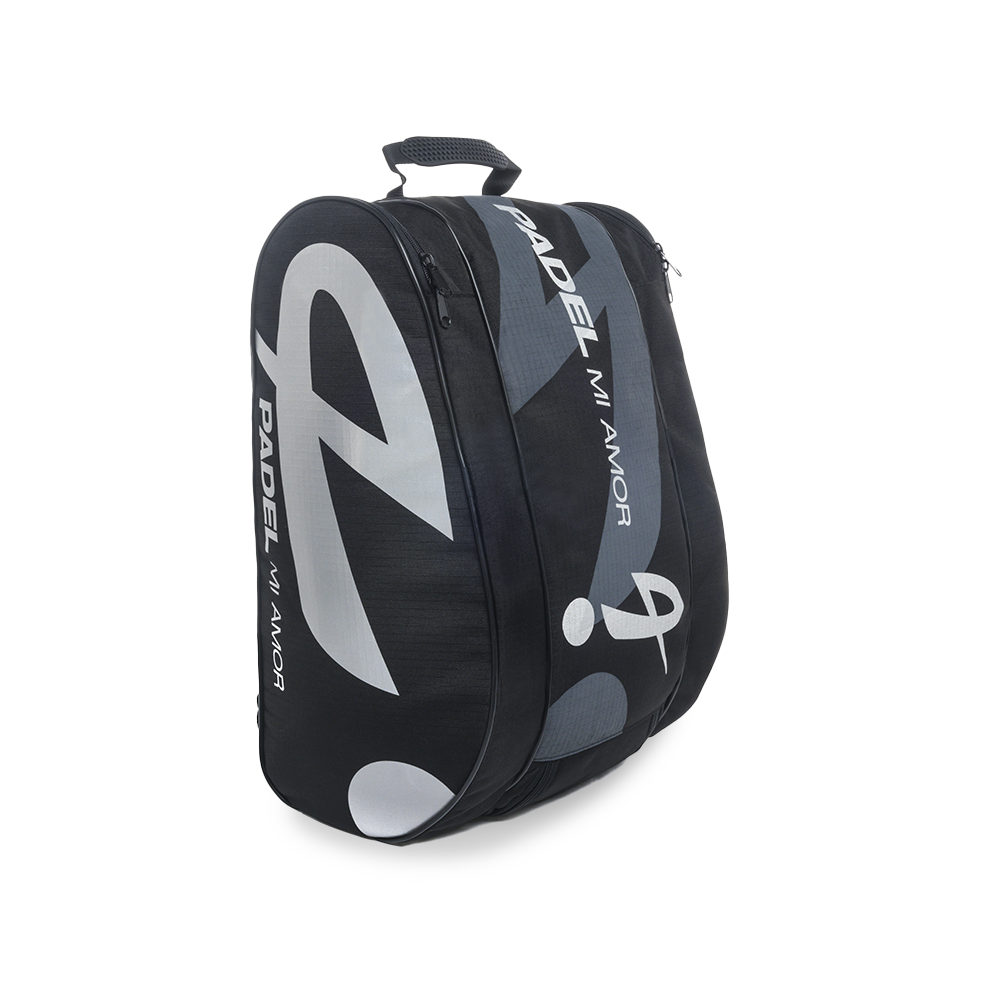
- Always store your racket in a protective case when you’re not using it, and use a dedicated padel bag —such as the convenient Padel Mi Amor bag with three compartments—to carry it. This will protect it from accidental impacts, temperature changes, and humidity.
By following these simple tips and with regular, careful maintenance, your padel racket will remain a faithful playing partner for a long time!
If you need more information or advice on choosing a bag for your racket or other padel accessories offered by Padel Mi Amor, please contact us!
